Disability, Politics and Democracy
19 November – 19 December 2026
This theme of UK Disability History Month 2026 is very relevant, but also gives pause for thought. Many would argue that the collective Disability Right Movement is a late C20th phenomena.
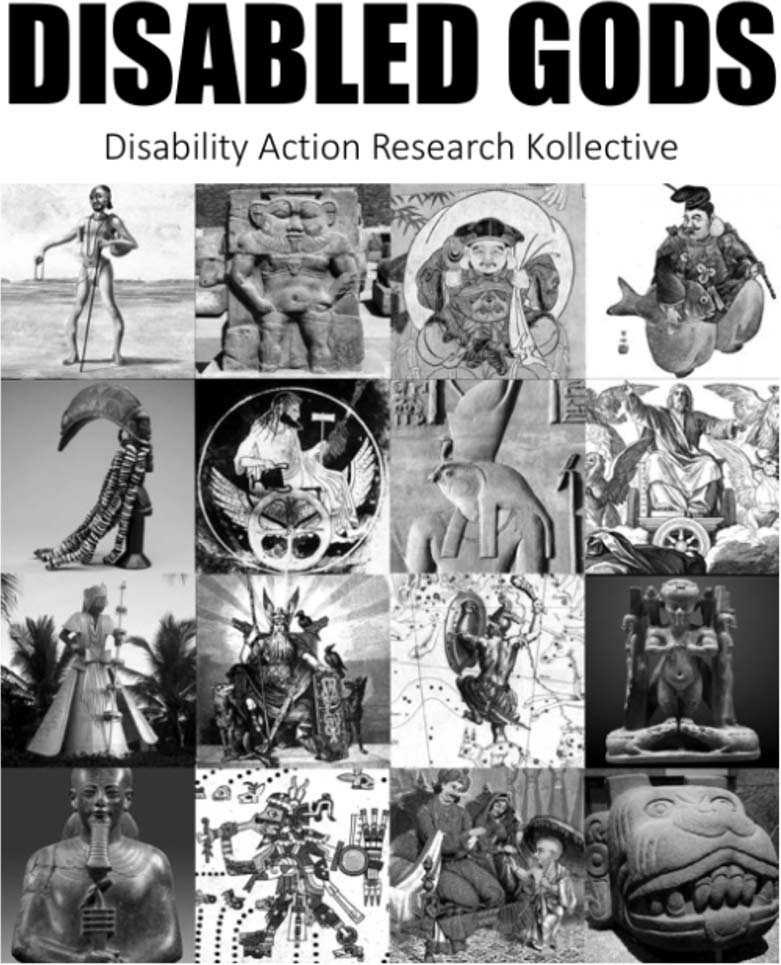
In the Ancient World of Egypt, Greece and Rome while humans vied for power, as empires and surpluses of crops, commodities and slaves accumulated, it was important to have explanations of why things were and develop myths and parables that became increasingly religious and sacred. In all cultures, not just those of the Mediterranean, a host of Gods were created. As DARK show in one of their zines, which is not suitable for children, many of the images of these Gods were disabled people. As impairment has always been part of the human condition, it is obvious when creating images of their Gods, people often added impairments to them. Thus beginning the rich cultural texture of stereotypes of disability that are still commonly viewed in our media when thinking of disabled people.
“Even though rates of disability were likely much higher in the past. In cultures like Egypt where disabled people were frequently part of everyday life, held important social positions and were integrated into society, the disability of the gods is incidental and not related to their narratives or personality. In societies where there was high amounts of inequality and exclusion, the disability of the gods was often a metaphor or a punishment or seen as negative. Many of the old stories about disability link to modern ones with many of the same tropes and perspectives. Some cultures viewed disability as a curse for wrongdoing, a divine punishment for the sin of the individual or their parents. Stories often feature disability as a metaphor for ignorance or death. Disability in this context is often healed through redemption”.
Throughout time there has been an uneasy co-existence between the politics of humans, the profane and those of the Gods, the sacred with them often mimicking
each other, both dealing with power and changing people’s lives. The Disability Action Research Research Kollective have in the last few years produced a wide range of zines on our themes.
UKDHM is pleased to be collaborating with them this year.
Disability Action Research Kollective (@disabilityark) • Instagram photos and videos
Go to Zines from DARK:
People often think politics is about the business of Government, but it is also about different sections having the power to exercise their interests, what they think and their resultant will in all areas of life; in the workplace, local neighborhoods and councils over the future of our local environment and/or the planet. With a very few exceptions, until the last 50 years disabled people as a whole had very limited power. With currently 16 million disabled people living in the UK coming under the Equality Act definition of disability, there should be more than 100 MPs who identify as disabled, compared to the current dozen or so. We need Parliamentarians to be able to Job Share and the restoration of the Access to Elected Officer Fund to be more representative. Most importantly we need to create a media and culture where long term impairment whether physical, mental or both, is not stigmatised and barriers are removed. This is not easy when disabled people are being identified by some politicians as targets to be scapegoated, as fake benefit claimants.
193 Governments around the world have adopted the United Nations Convention on the Rights of Persons with Disabilities (UNCRPD) ( or as we prefer to say in the UK Disabled People),so you might think that there would be strong consensus amongst Government decision makers of a right’s based approach to protect, empower disabled people and challenge discrimination. The truth is the following are on the rise : the relative consensus of the last 75 years is dragged towards fragmentation, by increasing unequal income, dictatorial power distribution, billionaire provided algorithms, extreme views drawing on Eugenics, challenging human rights and utilising old stereotypes to scapegoat disabled people.
There is a politics of the extreme where one group or another seeks to impose their views through terror, violence and propaganda, or there is a politics of seeking consensus guided by notions of Equality and Inclusion. A good example of this hate is illustrated by short person actor Warwick Davis who used his influence to tell the real history of the Seven Dwarves the Ovitz family of Rumania in the Holocaust.
The Seven Jewish dwarf siblings of the Ovitz family, were deported from Romania to Auschwitz during the Holocaust and remarkably, survived, along with the rest of their family. Davis himself was born with the condition spondyloepiphyseal dysplasia congenital (SED), which caused his dwarfism.
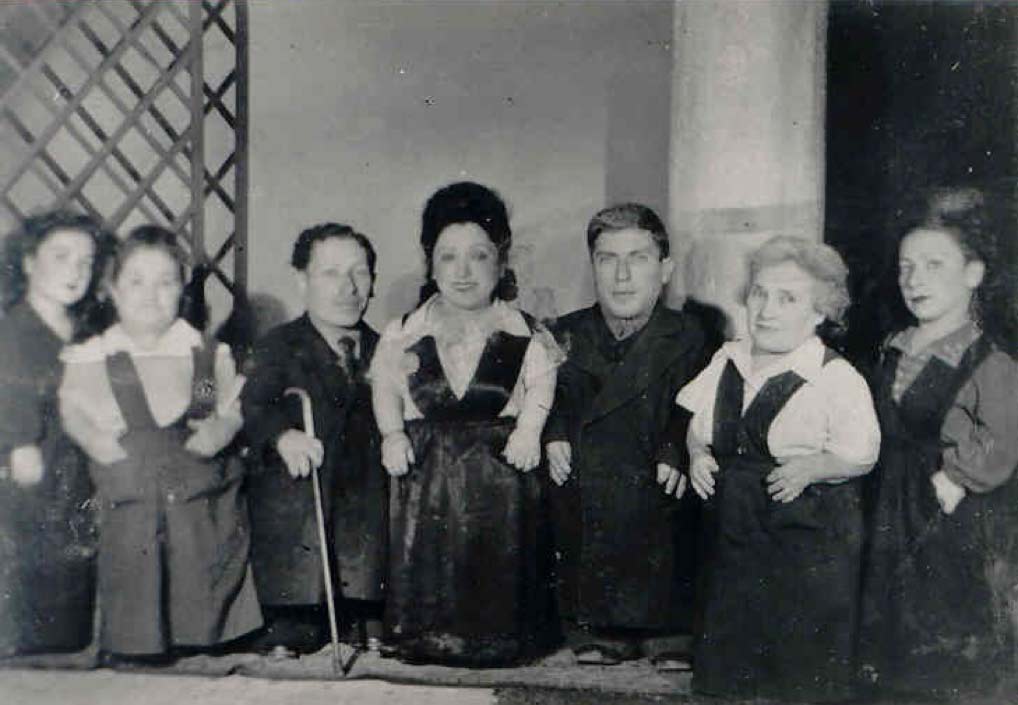
The seven dwarf siblings had formed the Lilliput Troupe, which sang and played music using small instruments throughout Romania, Hungary and Czechoslovakia in the 1930s and 1940s. The taller family members had backstage roles. In 1944, the family was deported to Auschwitz in Poland. The infamous German camp doctor there, Josef Mengele (known as the Angel of Death), was fascinated by the family and had them housed in better conditions within the camp, only to keep them healthier for his unethical research and experiments. The entire family survived for the liberation of the Auschwitz camp on January 27, 1945. In May 1949, the family emigrated to Israel and settled in Haifa. They began touring again and retired in 1955. See a brief video profile here.
Perla Ovitz (d. 2001) was interviewed for the book Giants: The Dwarfs of Auschwitz. She reflected, “If I was a healthy Jewish girl, 1 meter 70 tall, I would have been gassed like the hundreds of thousands of other Jews in my country. So if I ever wondered why I was born a dwarf, my answer would have to be that my handicap, my deformity, was God’s only way to keep me alive.” Dwarf siblings of the Ovitz family. Full documentary
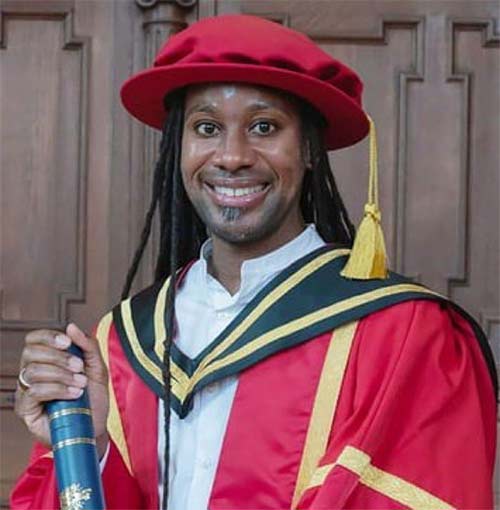
Another example of the cruelty of disability politics in society is demonstrated in the recent alt right witchhunt of Jason Arday, the neurodiverse black Cambridge Professor, carried out through a bigoted and unknowing media. The recent media furore whipped up by believers in false science and eugenics shows how ill equipped our media, politicians and ‘chattering classes’ are to understand the continuing undermining of disabled people and stand up for our rights.
Jason Arday, the neurodiverse Cambridge Professor, was seen by his main protagonist eugenicist Nathan Cofnas as “just another DEI hire”, referring to ‘Diversity, Equity, and Inclusion’ schemes.
Nathan Cofnas, who wrote the original article attacking Jason Arday over ‘plagiarism’ leading to 200 articles and his suicide, was a man who believed that inherited racial differences make black people less intelligent and would leave black people absent from virtually every elite position in public life outside of sport and entertainment. The press also did not mention that Cofnas had used the terms “retarded”, “illiterate”, and “mentally disabled” to describe Jason Arday, while noting that he was “black”. Cofnas claims to be a ‘race realist’ which means denying the overwhelming research that shows there is only one race, the human race and variations are due to environmental and social factors. The strong implications to reassert state control and coercive legislation over disabled people, as the New Right argue, linked with Tech billionaires modelling AI that will eliminate mental and biological imperfection.
Tech billionaire Peter Thiel also, a strong believer in pronatalist eugenics, has cultivated ties to key actors in this network: to Cambridge Professor James Orr, former Head of Policy to Reform, through whom he channelled a donation to Cambridge; to Orr’s Cambridge circle; to online magazine Quillette which published attacks on Arday; and directly to Nathan Cofnas and Aporia senior editor Noah Carl.
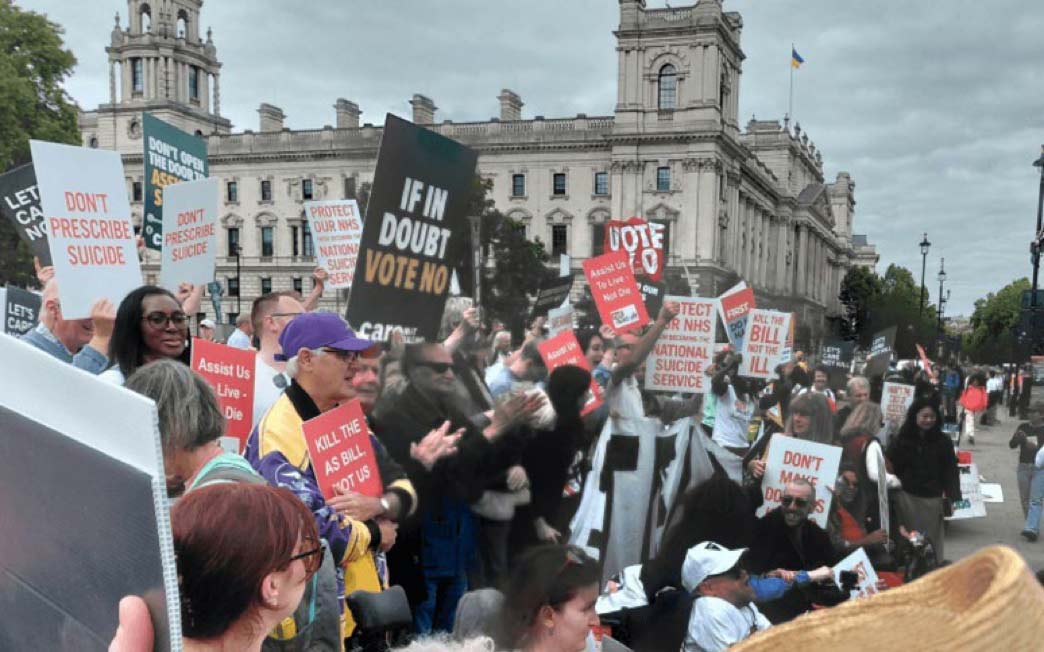
In September 2026 Not Dead Yet Coalition triumphed in getting the attack on the most fundamental right: the right to life through Assisted dying overturned in Parliament. The legislation would involve the state in killing disabled people, even if it was voluntary. History and the widening of its scope in Canada, the Netherlands and various US States tell us that the opposition by over 300 organisations of Disabled People in the UK was justified.
The arguments that seemed to carry most weight in its defeat was the current lack of palliative and home care and insufficient safeguards to prevent undue pressure being placed on people with unmet support needs.
Undoubtedly, the debate on reducing disabled people’s benefits in England has also impacted on MPs. Last year Government proposal to cut Personal Independence Payments were withdrawn, after 126 Labour MPs voted against and the Timms’ Review, which is meant to be co-produced with disabled people was put in its place. However, this has not halted the incessant clamouring from the Tabloid and Red Top Press, Reform and Tory Parties for big reductions in Welfare spending. So far the Timms Review have said that PiP allocation process is not fit for purpose. But given the economic position of the country the only way that benefits can be maintained is by raising taxes. [UK Taxes are not particularly high compared to the rest of Europe and the House of Commons Library puts forward evidence that fraudulent claims are less than 3%] A National Independent Living Service should be part of the proposed National Social Care Service and supporting disabled people for the extra costs of care, which last year SCOPE put at £1050 a month, should be provided so more can work and carry out worthwhile activities in the community. Again the main barrier is negative attitudes.
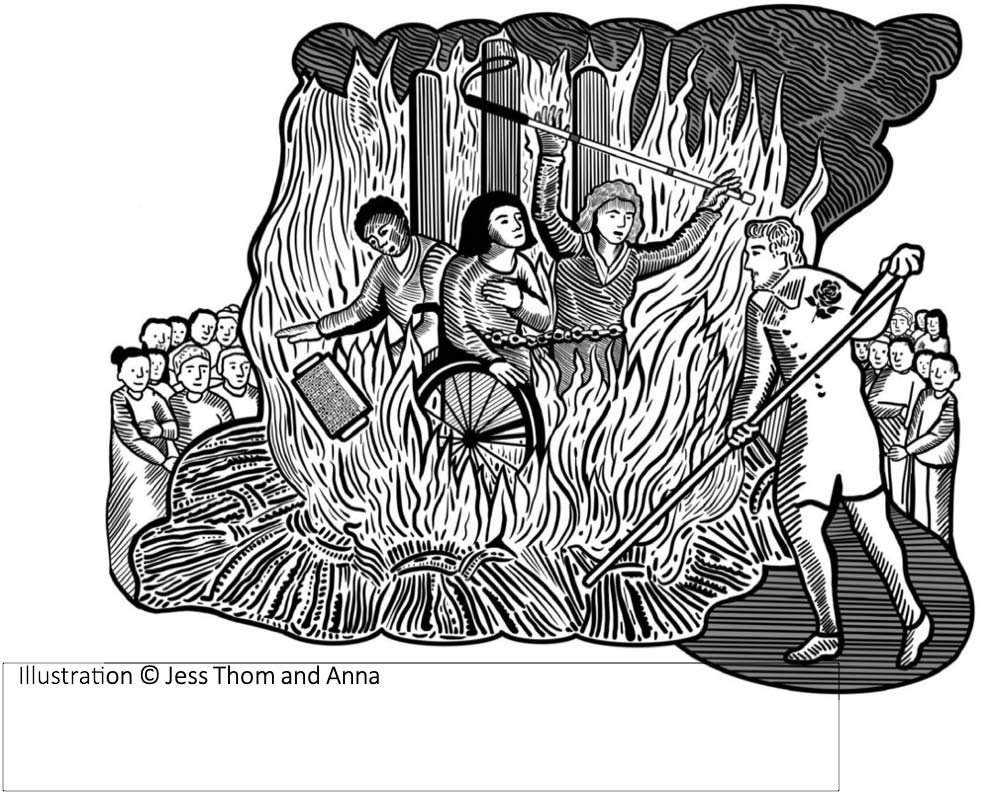
Ann Landre, the disabled activist/researcher, last year utilised the Political Satire of Jonathan Swift that was used in ‘A Modest Proposal: For Preventing the children of poor people in Ireland from being a burden on their parents or country and for making them beneficial to the public’. Anna proposed ‘A Cost Effective Proposal: For Preventing the Sick and Disabled from Being a Burden on Their Country and for Making Them Beneficial to the Public’. Once benefits are cut and they start dying they can be burned these ‘useless eaters, to borrow a phrase from the Nazi T4 extermination programme of disabled people. This will restore heat and energy to the wealthier pensioners who have had their Winter Fuel Allowance cut. After the horrors of the Second World War through the Universal Declaration of Human Rights (1947) an attempt was made to create a fairer, juster and more equal world.
Disability was not mentioned and it took a growing Disability Movement to challenge for space in this Global Human Rights arena. But by 2006 the Disability Movement had framed, negotiated and influenced political leaders to adopt the UNCRPD and we are now celebrating its 20th anniversary, but asking why so few of the structural changes that this convention requires have both been enacted and embedded. More importantly, why the attitudinal changes have not been made for this new approach, to viewing disablement as caused by barriers in the environment, fabric and organisation of society and negative attitudes rooted in a much deeper history of viewing impairment. Impairment is part of the human condition and always has, been caused by genes, disease, accidents and war.
Here we also interview Professor Davis Turner about his notion that the Disability Movement is only the latest form of resistance that disabled people have mounted to their oppression. This often took the form of individuals challenging their lot to the magistrates who adjudicate the Elizabethan Parish Poor Law. Utilising Christian morality to challenge their unfair treatment, such as disabled Thomas Bagshore who in 1680 managed to get a pension of 8 pence a week after his neighbours had said he was not disabled or eligible.
In the C18th there was a growth of the different, the’ cripples’,’ freaks’ coming out of obscurity and asserting their abilities and fundamental humanity, in exhibiting themselves or what they produced for money and status.
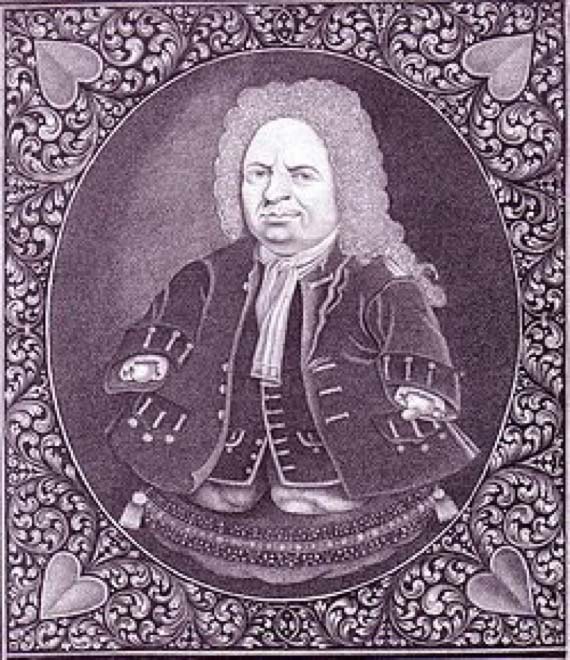
Matthias Buchinger (1674–1740) was a German artist, magician, calligrapher, and performer, was born without hands or feet and was 2 ft 5 in (74 cm) tall. Buchinger was especially noted for
his micrography, in which illustrations consist of very small text.
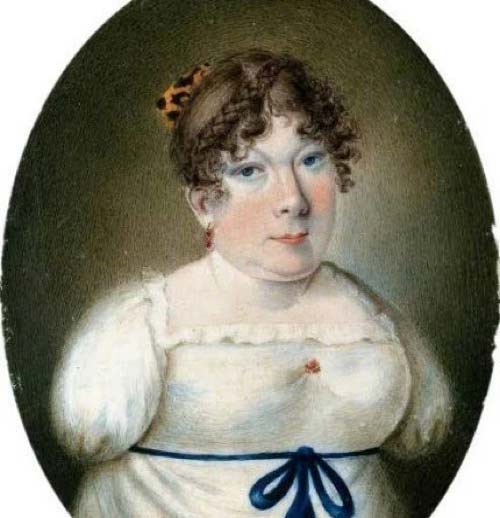
Sarah Biffin (1784–1850) was an English painter born in Somerset. Biffin was born with phocomelia. She had no arms and only vestigial legs, instead using her mouth to write, paint, and complete other tasks requiring implements, a successful court painter.
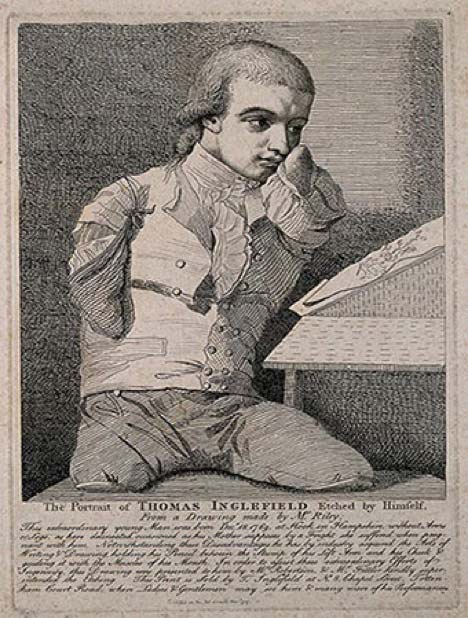
Thomas Inglefield, an artist born without limbs. Etching by T. Inglefield, 1787, after C.R. Ryley. (Credit Wellcome) “This extraordinary young man was born Decr. 18. 1769, at Hook, in Hampshire, without arms or legs, as here delineated, occasioned as his mother supposes by a fright she suffered when pregnant with him. Notwithstanding these disadvantages he has by industry acquired the arts of writing and drawing, holding his pencil between the stump of his left arm and his cheek & guiding it with the muscles of his mouth.”
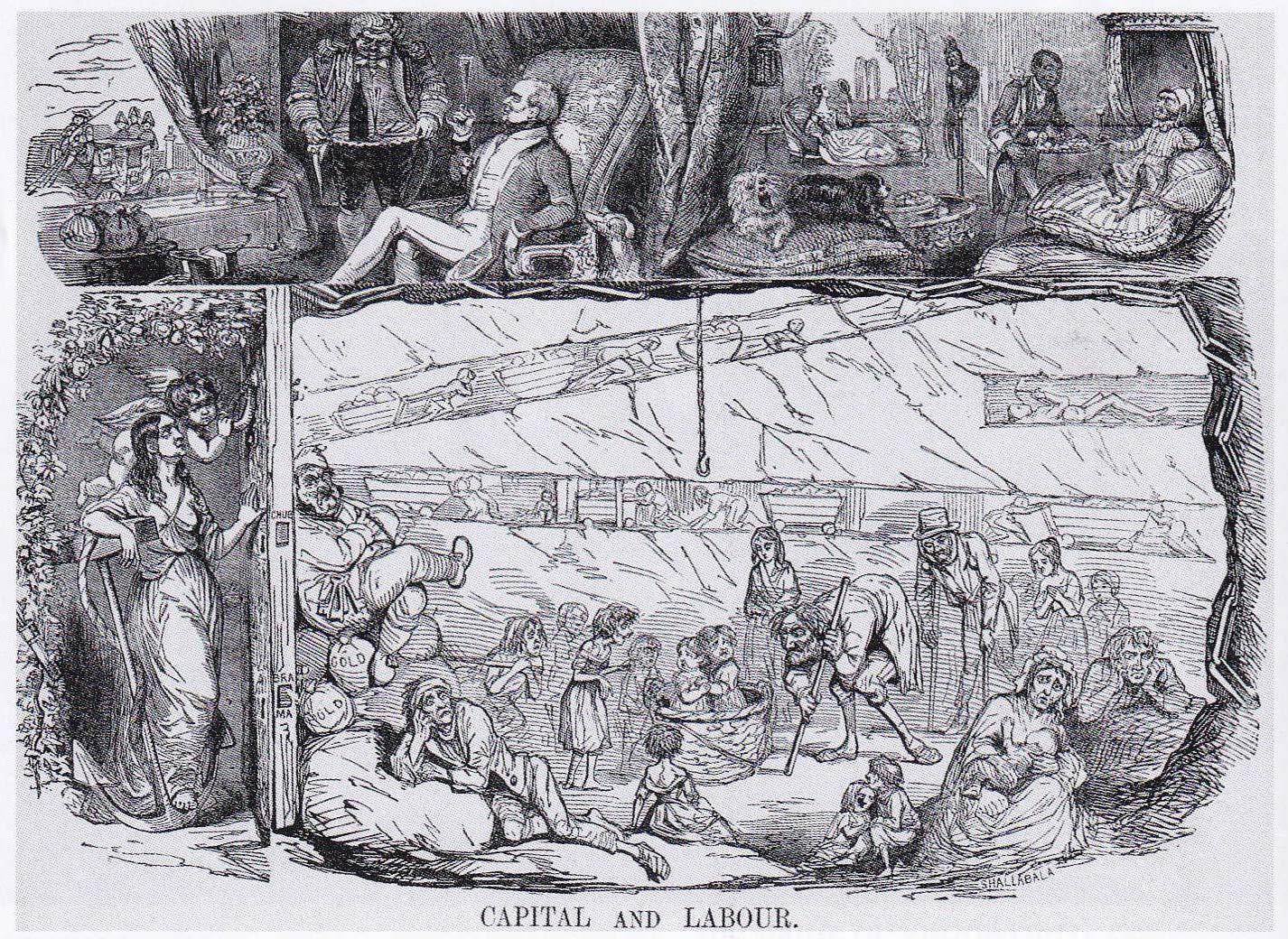
During the 1830s and 40s, the bodies of workers injured or debilitated in factories and coalmines became symbolic of the exploitation of Britain’s working class under industrial capitalism, as this 1843 cartoon from Punch shows. Disabled workers also gained a political voice at this time, calling for safer workplaces, shorter working hours and compensation for their injuries.
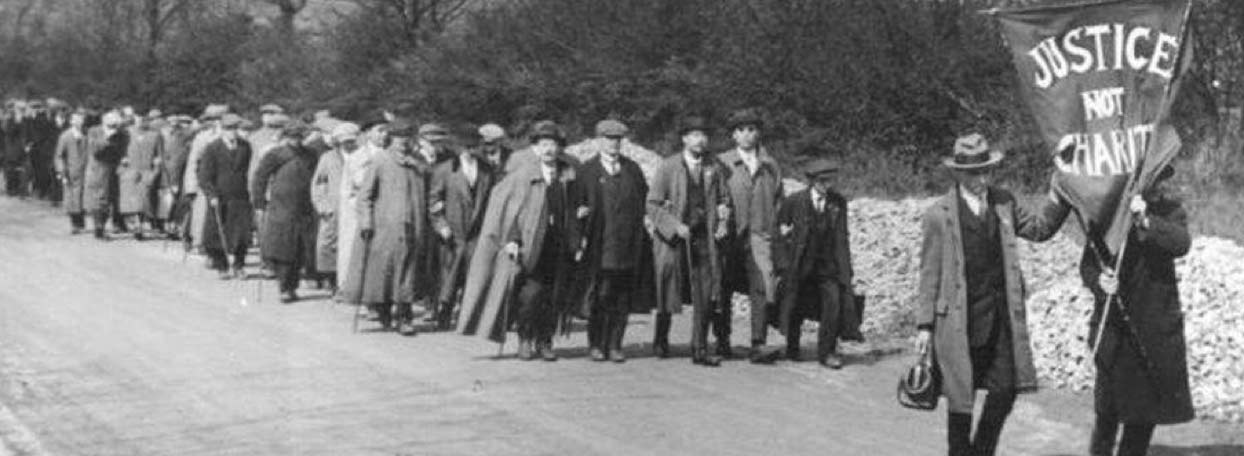
In the C19th, campaigns by workers maimed by industrial processes led the fight for more safety and the beginning of trade unions. The National League of the Blind their strikes and marches for ‘Justice not Charity’ got better parity of wages.
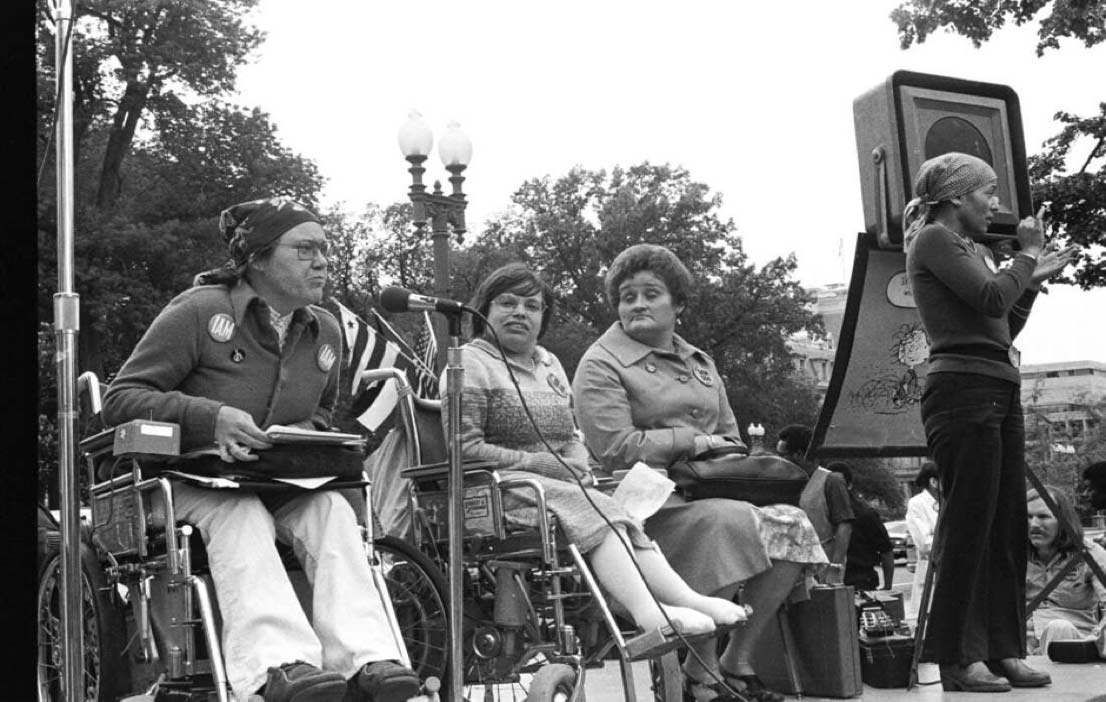
In the USA we focus on the story told in the Documentary ‘Crip Camp’ how a bunch of ’handicapped’ teenagers going to Summer Camp Jened transformed how they saw themselves and developed ways of taking collective action against injustices. Some went on to fight that injustice in Federal Legislation. Through occupation of Federal Buildings in San Francisco, President Nixon was forced to sign Article 504 of the Rehabilitation Act, which meant Federal funding for disabled people was to integrate them into mainstream and had to be delivered in the least restrictive environment.
A measure that benefitted millions of disabled Americans and led the way to the Americans with Disabilities Act (1990). The legal approach on 504 was enshrined in the Olmstead judgement. This was only overturned in September 2026 by Trump’s war on Equality, Diversity and Inclusion.
The lessons of the US Movement and organisations like ADAPT that utilized disabled people taking direct action to enhance their rights in 1970s and 80s.
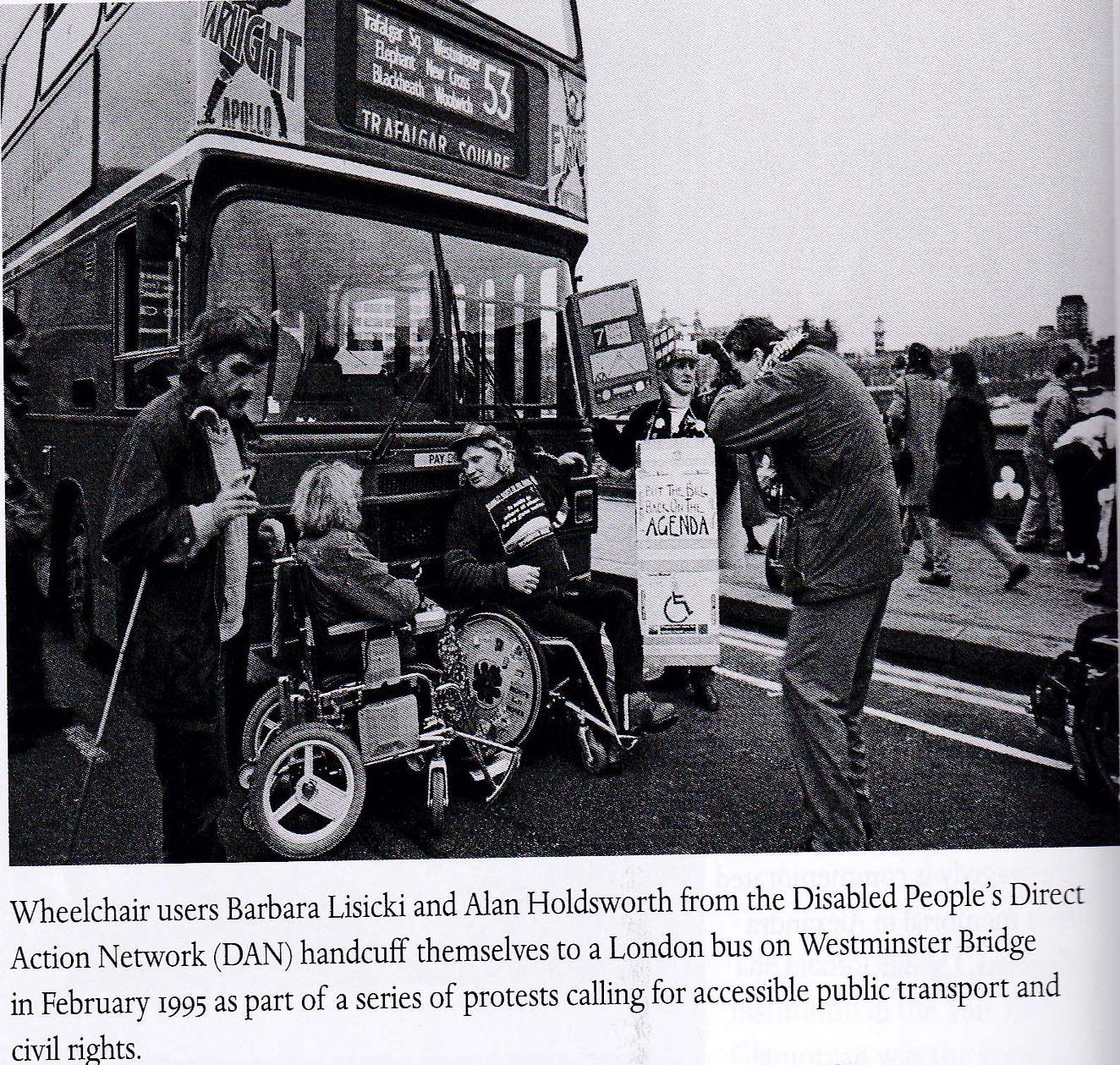
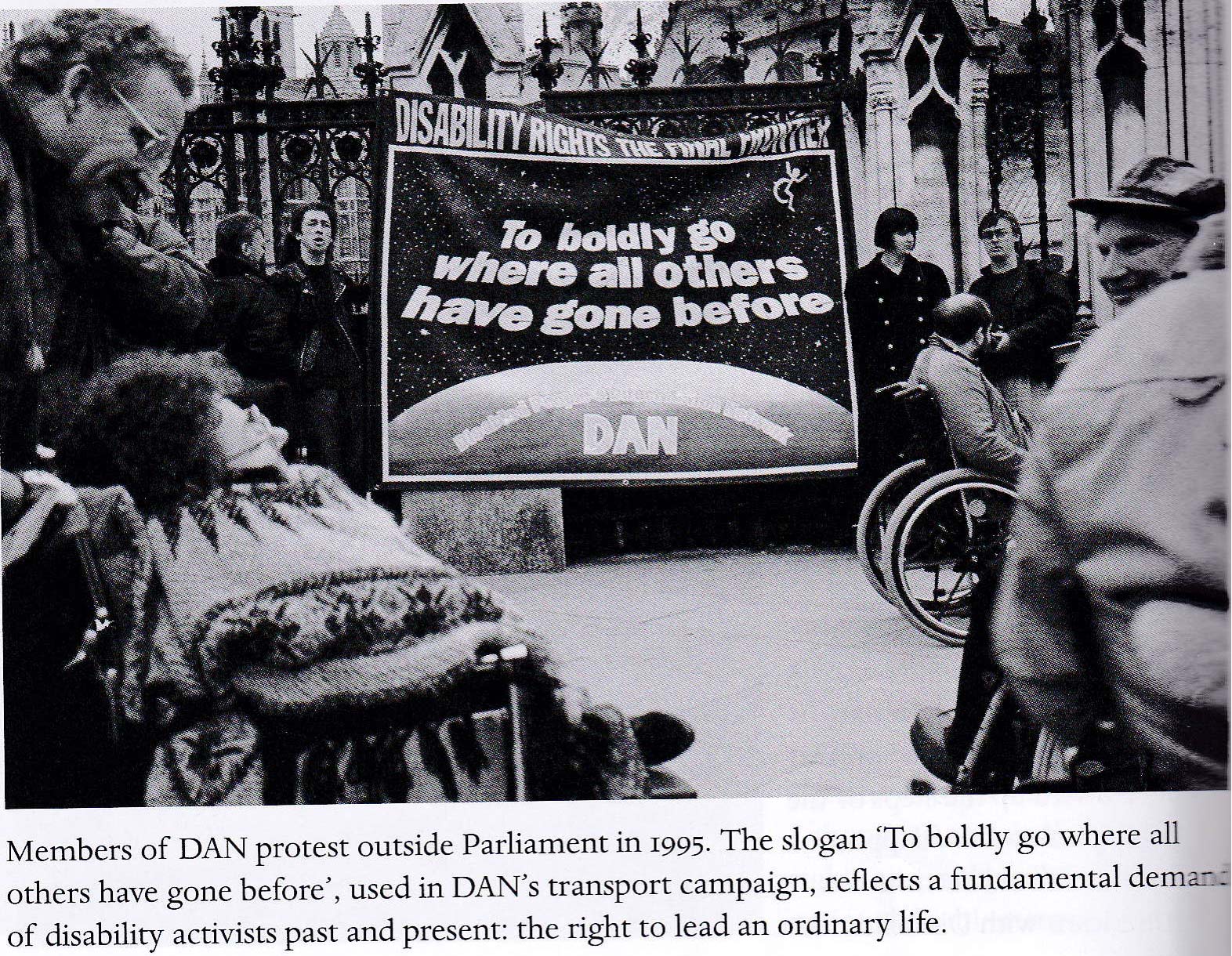
This was followed in the UK, where an impasse had been reached, with 14 different attempts to introduce Anti Disability Discrimination legislation being talked out or maneuvered off Parliament’s agenda, under the direction of MP Margaret Thatcher. Disabled People’s Direct Action Network (DAN) founded in 1993, in the UK, grew out of disabled people’s frustration and hundreds joined various ‘actions’ around the country. A drama film from the BBC in 2022 commemorated this struggle (which led to the 1995 Disability Discrimination Act)- Then Barbara Met Alan. The real activists in DAN in 1995 allowed a documentary to be made for Channel 4 TV, called Desperate DAN . This gives a flavour of the motivation of them and how they organised in this extract bringing Cardiff and Westminster to a stand still. These ‘actions’ and the publicity they generated prompted the Tory Major Government to move. William Hague considers his work on disabled people’s rights to be his proudest political achievement. As the Minister of State for Social Security and Disabled People from 1994 to 1995, Hague designed, authored, and introduced the landmark Disability Discrimination Act (DDA) 1995.
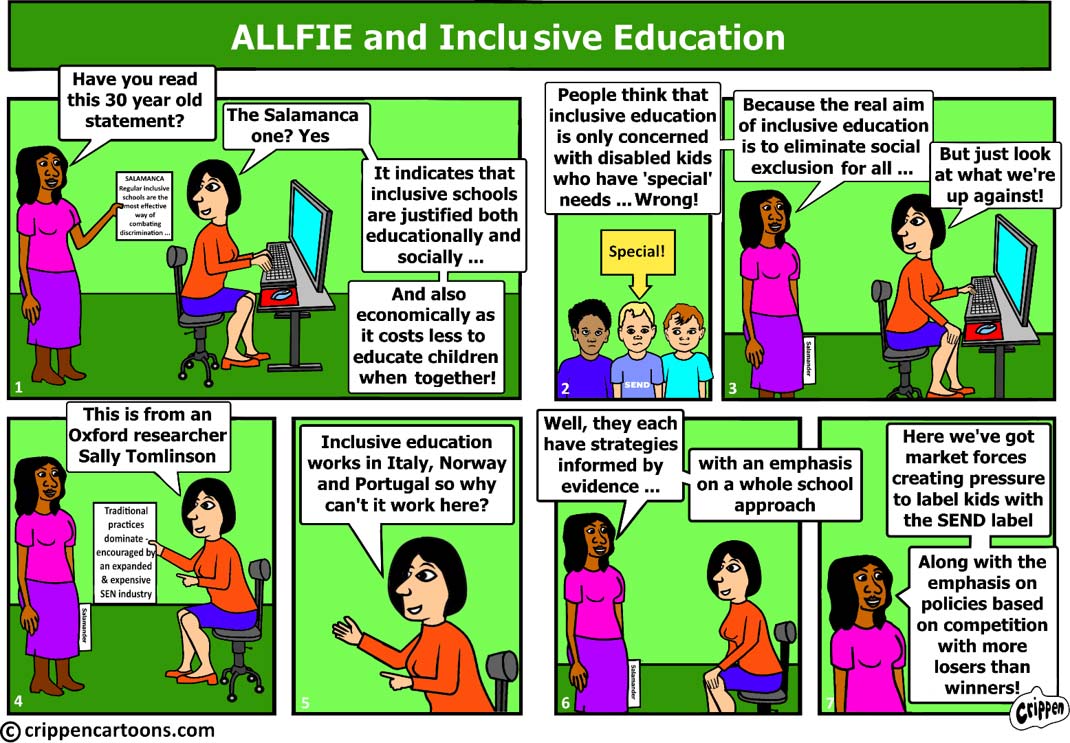
While certainly not a panacea, the DDA did for the first time bring equality for disabled people into the workplace and service provision, though education was largely excluded. Existing Equality Law for Race and Gender was extended, with the new right to reasonable adjustments and developments in indirect discrimination. Due to active campaigning from the Alliance for Inclusive Education – an alliance of education professionals, students and disabled people led by disabled people against compulsory segregation, the 2001 Education Amendment Act brought Education under the disability equality law provisions. But, and it’s a big but, because of the existing special educational needs model based on identifying the deficit in the disabled pupil or student- what they can’t do and not developing what they can do, by removing structural barriers in the educational curriculum, assessment, environments and social attitudes; the current Government reforms to ‘develop a more inclusive system’ will founder.
This is not inclusion. The main impetus for the SEND White Paper and reforms (2026) is reducing parental dissatisfaction which has led to a big increase in appeals to SENDIST Tribunal and placements out of mainstream in separate provision – Segregation, which is now at highest level ever. Currently mainstream schools have a narrow and more difficult curriculum, a lack of inclusive teaching methods, a strong focus on tests and exams rather than alternative accreditation and a marketized results lead league table culture underwritten by 15 years of real terms cut in funding. (Money for SEND is the same in 2025 as it was in 2010 according to the National Education Union.) The current proposals do not start from the disability rights principle’s of the UNCRPD nor do they understand the above changes necessary for an inclusive approach, but a wish to reduce the numbers of EHCPs by removing existing legal rights and reducing expenditure, while at the same time seeking to improve support to disabled children
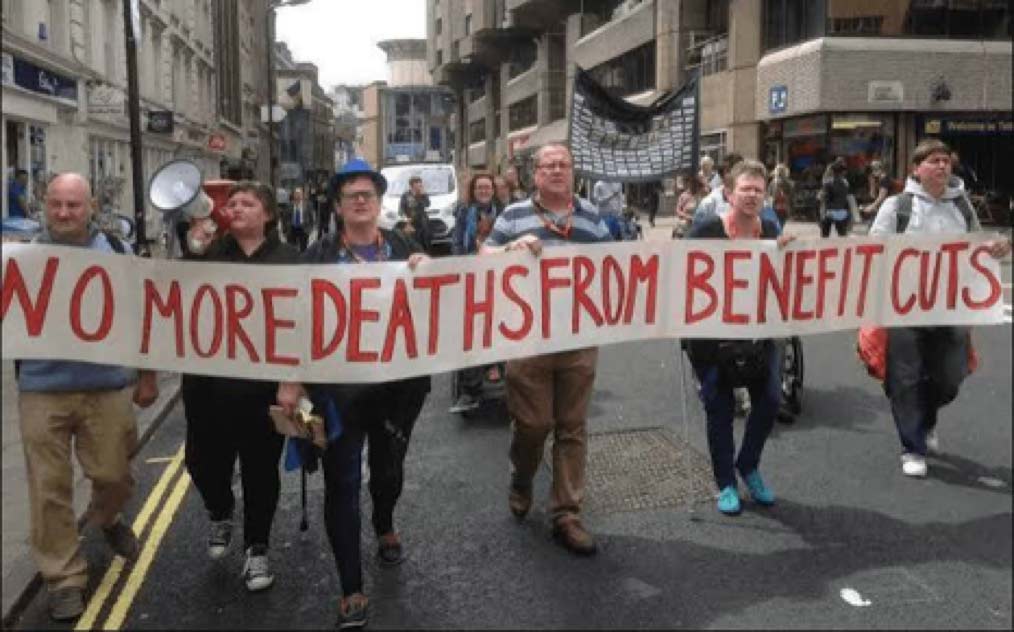
Even when benefits have been agreed by Parliament and then have to be administered by the Department of Work and Pensions there is strong evidence of callousness, neglect and disbelieve in disabled people claiming. John Pring a disabled journalist who runs the Disability News Service was so shocked be had to write a book about what he had found out ‘The Department: How a Violent Government Bureaucracy Killed Hundreds and Hid the Evidence’.
The Daily Mirror on 4th July 2023 Carried the Headline “Thousands of disabled people’s deaths linked to DWP’s failure to act on benefits flaws”
New research by Deaths by Welfare concludes the Department for Work and Pensions failed to fix systematic flaws in the disability benefits system that potentially led to thousands of deaths.
A detailed 160-page study published today exposes how the Department for Work and Pensions was alerted more than 40 times to life-threatening systemic flaws, by academics, coroners and its own researchers over the past 30 years.
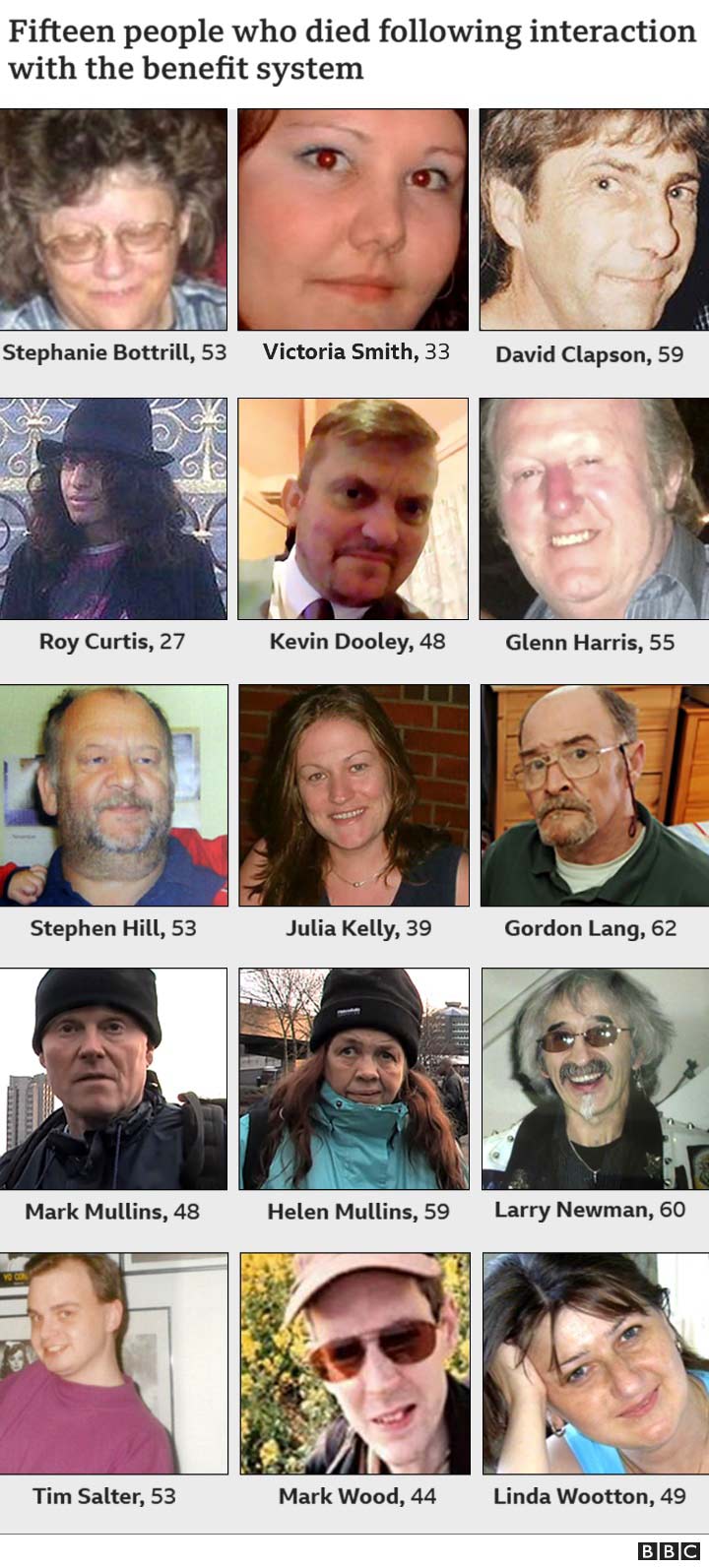
The Mirror has been given exclusive access to the Deaths by Welfare Timeline, which brings together for the first time the three decades of investigations linking DWP and its social security reforms with the deaths of disabled benefit claimants.
It documents the DWP’s “cumulative harm” and “slow bureaucratic violence” that has led to countless suicides and other deaths, particularly in the post-2010 austerity era. “How many people died as a direct result of the DWP slow violence? We will never know. From the first memo in 1989 that spoke of a need to tackle the rising expenditure on these benefits, fairness and justice were slowly, week by week, year by year, replaced with indifference and cruelty. Evidence was replaced by guesswork and prejudice. It led to distress and poverty, to sanctions and starvation, to psychological torture and suicide.”
Despite the litany of discrimination and prejudice stretching back hundreds of years, many people with long term impairments have been leaders.
Perhaps it is the challenge of adversity that builds an inner strength. However, millions are discarded and must have their chance for justice and equity and to be included?